




Why Your Kitchen Drain Smells Like Sewage Even After You Clean It
A kitchen drain that smells like sewage after cleaning usually means one of five things: a dry or failing p-trap, biofilm buildup inside the pipe deeper than cleaning methods can reach, a blocked plumbing vent pipe, grease accumulation in the drain line, or a problem further down in the main sewer line. Spraying the drain with cleaner or pouring baking soda and vinegar down it treats the surface, not the source. If the smell returns within days of cleaning, the cause is deeper in the system.
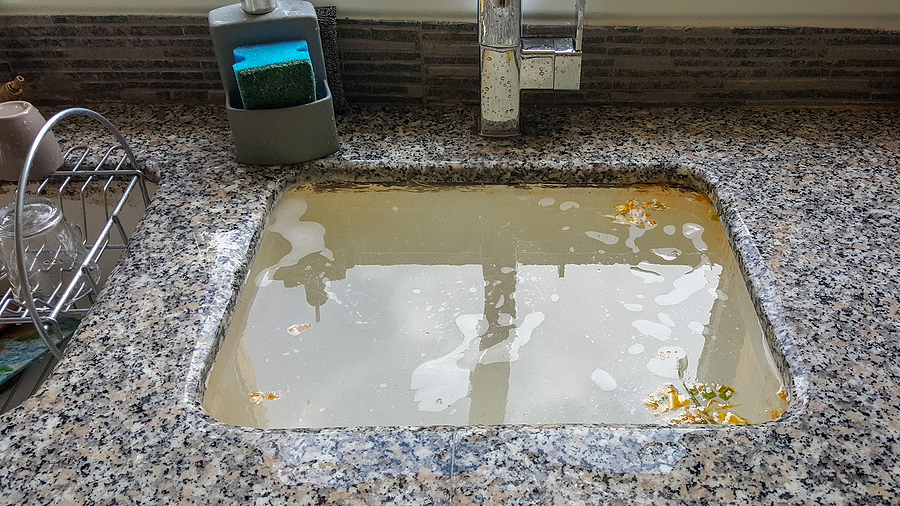
What You Are Actually Smelling
The odor from a kitchen drain is sewer gas, a mixture of gases that forms as organic matter breaks down inside drain lines and sewer pipes. The component responsible for the rotten egg smell is hydrogen sulfide. Sewer gas also contains methane, ammonia, and carbon dioxide. At low concentrations, it is primarily an unpleasant odor. At higher concentrations, particularly in poorly ventilated spaces, it can cause headaches and nausea. According to OSHA guidance on sewer gas, hydrogen sulfide exposure should be taken seriously, particularly when the smell persists or extends beyond one fixture.
A persistent sewer smell from a kitchen drain is worth resolving completely rather than masking with air fresheners or drain deodorizers. Those treatments address the symptom, not the source.
5 Reasons Your Kitchen Drain Smells Like Sewage After Cleaning
1. Dry or Failing P-Trap
The p-trap is the curved pipe under the kitchen sink that holds a small amount of water at all times. That standing water creates a physical barrier between the kitchen and the sewer system below. When the water seal is lost, sewer gas travels freely up through the drain. The most common cause of a dry p-trap in a kitchen sink is infrequent use, but p-traps also lose their seal when there is a hairline crack in the pipe, a loose fitting, or a plumbing vent problem that creates negative pressure and pulls the water seal down over time. The quick test: run hot water for 30 seconds. If the smell briefly improves or disappears, the p-trap is the likely starting point.
2. Biofilm Buildup Inside the Drain Pipe
Biofilm is a sticky layer of bacteria, grease, soap residue, and food particles that clings to the interior walls of drain pipes, typically 6 to 18 inches below the drain opening. This is what produces the persistent sewage-like smell from a drain that appears clean. Biofilm is not removed by baking soda, vinegar, or spray cleaners because those treatments do not penetrate or mechanically scour the pipe walls below the visible section. The bacteria in biofilm can release the same hydrogen sulfide that characterizes raw sewage odor, often more intensely when hot water activates the bacteria during dishwashing or cooking cleanup.
3. Blocked Plumbing Vent Pipe
Every kitchen drain is connected to a vent pipe that runs up through the roof. This vent allows air into the drain system to keep water flowing smoothly and vents sewer gas safely above the roofline where it dissipates in open air. When the vent pipe is blocked by leaves, debris, a bird or squirrel nest, or ice during an NW Indiana winter, sewer gas cannot exit properly and is pushed backward through the drain into the home. A blocked vent can also create negative pressure that pulls water out of the p-trap. Vent pipe clearing requires roof access and is a professional repair.
4. Grease Accumulation in the Drain Line
In Northwest Indiana, where the median home was built in the early 1950s, kitchen drain lines often have decades of grease and food debris accumulated on the interior pipe walls at a depth that no homeowner cleaning method can reach. This grease decomposes over time, producing hydrogen sulfide and related gases. Pouring hot water or dish soap down the drain pushes surface grease further into the line without removing the accumulated layer coating the pipe walls. Professional drain cleaning, particularly hydro-jetting, scours the pipe walls and removes this buildup at the source.
5. A Problem in the Main Sewer Line
When kitchen drain odor is accompanied by slow drains elsewhere in the home, gurgling sounds from the toilet when the kitchen sink runs, or recurring backups from a basement floor drain, the smell’s origin may not be the kitchen drain at all. These are symptoms of a partial main sewer line blockage or structural sewer damage that allows sewer gas to enter the home through multiple fixtures. This category of problem requires sewer line video inspection to diagnose correctly.
DIY Fixes That Work vs. Those That Only Mask the Problem
Works: Running hot water for 30 to 60 seconds to refill a dry p-trap, when infrequent use was the cause. The smell should improve noticeably if a dry trap is the issue.
Works: Cleaning the drain cover, stopper, and visible drain opening with a stiff brush and hot soapy water to remove surface buildup at the drain entrance.
Works: Cleaning the underside of the garbage disposal gasket and running the disposal with ice and citrus rinds if the smell appears to be disposal-related rather than from the drain line.
Does not address the cause: Baking soda and vinegar. Useful for light surface debris but does not reach the biofilm or grease 6 to 18 inches into the pipe.
Does not address the cause: Store-bought drain cleaning gels and foams poured down the drain. Same limitation as baking soda and vinegar for the depth at which biofilm forms.
Does not address the cause: Air fresheners and drain deodorizers. These treat the odor in the room, not the bacteria producing the gas inside the pipe.
When Kitchen Drain Odor Becomes More Than a Drain Problem
Call a plumber rather than continuing to attempt DIY cleaning if any of the following are present:
- The sewer smell is coming from multiple drains in the home simultaneously
- The toilet gurgles when the kitchen sink is running
- Water backs up into a basement floor drain when running kitchen fixtures
- The smell returned within a few days after professional drain cleaning
- Visible sewer line issues such as soggy ground near the foundation, unusually lush grass over the sewer line path, or sewage odors outside the house
Kitchen Drain Odors and Northwest Indiana’s Older Housing Stock
Hammond, Schererville, Munster, Highland, and Griffith have a high concentration of homes built during the 1940s through 1960s. Many of these homes have original cast iron drain lines that have accumulated decades of grease, scale, and biofilm on interior walls that have never been professionally cleaned. Interior cast iron corrosion also creates rough surfaces where biofilm and grease adhere more aggressively than they do on modern PVC piping. The combination of old pipe material and decades of accumulated organic debris makes persistent drain odors in NW Indiana homes a common service call for Reichelt Plumbing.
If you live in an NW Indiana home built before 1975 and have a persistent kitchen drain odor that keeps returning after cleaning, the cause is almost certainly in the pipe interior rather than at the surface. An EPA WaterSense-aligned approach to drain maintenance, which focuses on what goes down the drain rather than just treating clogs after the fact, helps prevent the buildup from recurring once it has been professionally removed.
FAQs: Kitchen Drain Sewer Smell
Why does my kitchen drain smell like sewage?
The most common causes are a dry or failing p-trap, biofilm buildup inside the drain pipe deeper than cleaning can reach, a blocked plumbing vent pipe, grease accumulation in the drain line, or a problem further down in the main sewer line. Each cause requires a different approach.
Why does the sewer smell come back after I clean the kitchen drain?
DIY cleaning methods address the visible surface within the first few inches of the drain opening. The bacteria, grease, and organic material that actually produce the odor typically cling to the pipe walls 6 to 18 inches into the drain, where baking soda, vinegar, and spray cleaners do not reach.
What is a p-trap and how does it prevent sewer smells?
The p-trap is the curved U-shaped section of pipe under the kitchen sink. It holds a small volume of water at all times, which creates a physical seal that blocks sewer gas from traveling up through the drain and into the kitchen. When that water seal is lost, sewer gas passes freely into the home.
How do I know if my p-trap is dry?
Run water for 30 seconds and note whether the sewer smell temporarily decreases or disappears. If it does but returns quickly, the p-trap may have a slow leak or a vent problem is pulling the seal down. If the smell does not change at all when you run water, the cause is likely deeper in the line than the trap.
What is biofilm in a kitchen drain?
Biofilm is a sticky layer of bacteria, grease, food particles, and soap residue that adheres to the interior walls of drain pipes, usually several inches below the drain opening. It produces a persistent sewage-like odor and is not removed by surface cleaning. Professional drain cleaning removes it mechanically using rodding or hydro-jetting equipment.
Can a blocked vent pipe cause my kitchen drain to smell?
Yes. A plumbing vent pipe that is blocked by leaves, debris, or ice prevents sewer gas from exiting through the roof, causing it to be pushed backward through drains into the home. A blocked vent can also create negative pressure that pulls water out of the p-trap. Clearing a blocked roof vent requires professional access.
Is sewer gas from a kitchen drain dangerous?
At the low concentrations typical of a drain odor, sewer gas is primarily a nuisance. However, hydrogen sulfide, one component of sewer gas, can cause headaches, nausea, and eye irritation at higher concentrations. According to OSHA guidelines on sewer gas, persistent sewer smells that extend beyond one fixture or fill a room should be investigated and resolved promptly.
Does baking soda and vinegar actually fix kitchen drain odor?
Occasionally, if the cause is very light surface buildup at the drain opening. In most cases, the buildup producing the odor is deeper in the pipe than these treatments reach. The chemical reaction is useful for loosening fresh surface debris but does not scour the pipe walls where biofilm and grease accumulate.
Why does the kitchen drain smell worse when I run hot water?
Hot water activates the bacteria inside biofilm in the pipe, temporarily intensifying the odor as gases are released. If the smell reliably increases when you run hot water or use the dishwasher, biofilm buildup in the drain line is almost certainly the primary cause.
Can a garbage disposal cause sewer smell in the kitchen?
Yes. Food particles trapped under the rubber gasket around the disposal opening and inside the disposal unit itself can produce significant sewage-like odors that are separate from the drain line. Clean the underside of the disposal gasket with a brush and dish soap, and run the disposal with ice cubes and citrus rinds to address interior odors. If the smell persists after cleaning the disposal, the source is in the drain line.
How does professional drain cleaning fix kitchen drain sewer smell?
Professional drain cleaning uses mechanical rodding or hydro-jetting equipment to physically scour the interior walls of the drain pipe from the drain opening through the full length of the line, removing biofilm, accumulated grease, and organic debris that DIY methods cannot reach or dislodge.
How do I prevent kitchen drain odors from coming back?
Avoid putting grease, oil, or significant food solids down the kitchen drain. Run hot water for 30 seconds after washing dishes. Use an enzyme-based drain treatment monthly to break down organic buildup before it accumulates. Schedule professional drain cleaning annually or when odors begin to return after a shorter-than-expected interval.
When does kitchen drain sewer smell indicate a bigger plumbing problem?
When the smell is accompanied by slow draining in other fixtures throughout the home, gurgling sounds from the toilet when the kitchen sink is running, recurring backups from a basement floor drain, or sewage odors that persist immediately after professional cleaning, the source is likely in the main sewer line rather than the kitchen drain itself.
Does kitchen drain odor relate to the age of the house in NW Indiana?
Yes. Homes in Northwest Indiana, where the median construction year is 1952, often have original cast iron drain lines with decades of accumulated grease and scale on interior walls that have never been professionally cleaned. Interior cast iron corrosion also creates rough surfaces that hold biofilm more aggressively than modern PVC. Persistent odors in older NW Indiana homes are commonly a pipe interior issue rather than a surface cleaning problem.
When should I call Reichelt Plumbing for kitchen drain sewer smell?
Call (219) 322-4906 if cleaning the drain yourself has not resolved the odor, if the smell returns within a few days of cleaning, if other fixtures in the home are slow or gurgling, or if the odor appears to be coming from multiple drains. Reichelt Plumbing provides professional drain cleaning and sewer line video inspection throughout Northwest Indiana.
When to Call Reichelt Plumbing for Drain Cleaning in NW Indiana
Reichelt Plumbing has provided professional drain cleaning services and emergency plumbing throughout Northwest Indiana since 1986. We are licensed, bonded, and fully insured with a BBB Accredited A+ rating. If cleaning the drain yourself has not resolved the odor, or if the smell has returned within days of a prior cleaning, call (219) 322-4906 for a flat-rate professional drain cleaning. Our background-checked technicians provide honest assessments, upfront pricing, and an 18-month workmanship guarantee on qualifying work.
Verify our track record through our BBB Accredited A+ profile, Google Reviews, and HomeAdvisor ratings before you call.