




The Impact of Home Additions and Renovations on Existing Sump Pump Capacity
Homeowners in Schererville take pride in improving their homes. Finished basements, new rooms, expanded kitchens, and upgraded outdoor spaces all make daily life better. These upgrades often improve comfort and increase the home’s value, but they also place new demands on the plumbing and drainage system. One part of the home that gets overlooked during these projects is the sump pump. A sump pump may seem like a “set it and forget it” device, but any change to the home’s layout, square footage, or underground drainage path can change how often that pump cycles and how well it protects the basement.
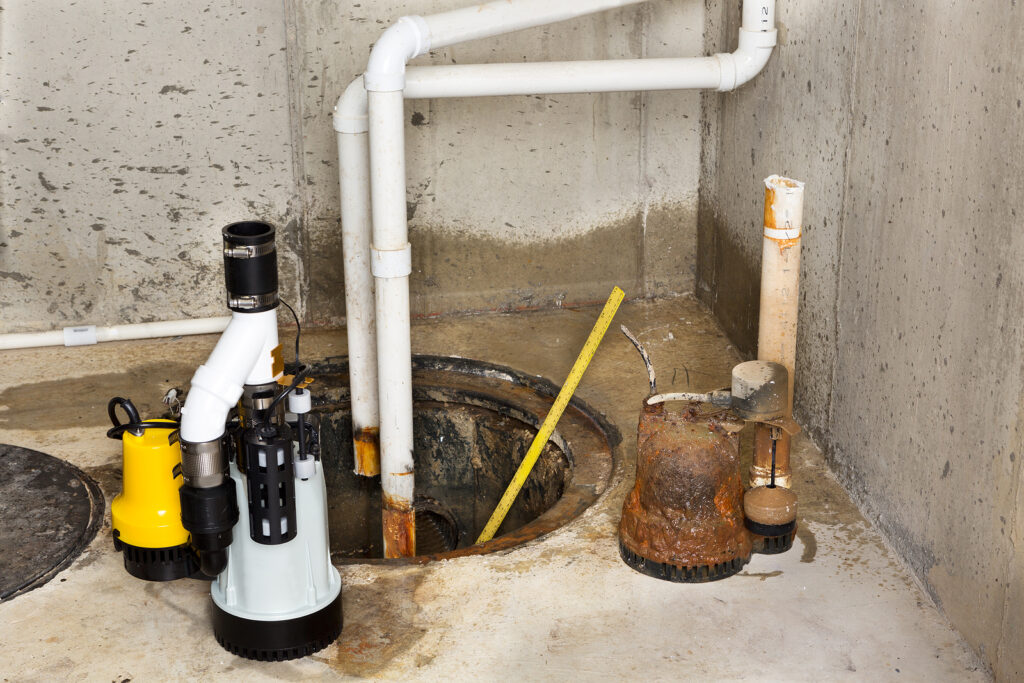
Renovations change water flow in ways that homeowners rarely consider. Soil shifts during construction, new concrete alters water movement, and added square footage increases the area where groundwater collects. Even upgrades like new gutters or downspouts can send more water toward the foundation. A sump pump that handled the original home may now run harder, cycle too often, or struggle during heavy rain. A home addition changes more than the look of the house. It changes the way water behaves around it.
This is why sump pump evaluations play an important part in planning any renovation. Just as you would assess electrical load or heating capacity, the draining system deserves the same attention. A sump pump that keeps the basement dry today might not keep it dry after construction shifts the water table or adds hydronic pressure around the foundation. Understanding how additions affect capacity helps homeowners avoid surprise flooding once the project is complete.
Below, we break down how these changes happen, the signs of strain, and what homeowners can do to protect every level of their home from water damage.
How Home Additions Change Groundwater Flow Around the Foundation
An addition changes more than the shape of the house. It alters underground pathways where water moves during storms or snowmelt. Construction often means digging, backfilling, and compacting soil, which changes how quickly water drains through the ground. Soil around a new foundation settles slowly, often for years, and water takes the easiest path toward low points. These low points often sit near the original foundation wall.
Water collects faster. The water table shifts. Existing drain tile systems may no longer capture water efficiently. All of this adds pressure on the sump pump.
A sump pump designed for a smaller footprint now works to protect a larger one. It cycles more often because a bigger area sends more groundwater into the pit. This increased demand shortens pump life and raises the risk of failure during storms. Without reviewing the pump’s capacity during the addition process, homeowners take a chance with a system that may no longer keep up with increased water flow.
Why Basement Renovations Increase the Need for Better Pump Performance
Finishing or remodeling a basement increases the importance of reliable water control. Once a basement becomes living space, storage space, or part of the home’s HVAC layout, water damage becomes much more expensive and disruptive.
Basement renovations often include:
• New flooring
• Framing and drywall
• Electrical upgrades
• Plumbing lines
• HVAC ductwork
• Extra insulation
Each improvement raises the stakes. Even one inch of water can destroy flooring, drywall, and personal items. A sump pump that once kept an unfinished basement relatively dry may not protect finished materials.
Renovations also reduce the number of places where water can evaporate around the foundation. Once walls, flooring, and insulation go in, moisture that once dissipated naturally now concentrates near the sump pit. This forces the pump to remove more water to keep humidity and seepage under control. Homeowners need a system that stays dependable under a higher workload, especially during long periods of rain.
How Construction Changes Drain Tile Performance
Additions often require tying into existing drain tile systems or installing new ones. This creates several challenges:
• Different soil densities
• Interruptions in the original drainage path
• New slopes around the foundation
• Misaligned drain tile sections
• Increased pressure on one side of the home
Any mismatch in slope or pipe alignment slows the speed of water reaching the sump pit. When water moves slower, it builds up behind the foundation wall. That pressure can force moisture through cracks, gaps, or porous areas. Even with a sump pump running correctly, water can appear through basement corners or floor joints because the drain tile can’t guide water fast enough.
Renovations also create opportunities for partial blockages due to backfill material or construction debris near the drain tile. This adds strain on the pump, which must compensate for slowed drainage.
Why Home Expansions Often Require Larger Pit Capacity or a Secondary Pump
A sump pump system must match the home’s drainage demands. Once additions expand the home’s footprint or increase hard surfaces, the original sump pit might not hold enough water to prevent rapid cycling.
Signs of insufficient pit size include:
• The pump turns on every few minutes during a storm
• The pump runs longer than it used to
• Water rises close to the rim of the pit
• The check valve rattles or clicks often
• The basement smells damp even without visible water
A larger pit holds more water before the pump activates. This reduces wear on the motor and prevents burnout during extended storms.
Some homes benefit from a secondary pump. This works as either a higher-capacity option or a backup system that takes over if the main unit fails. Renovated homes often require this added protection because the load on the drainage system increases with every additional square foot of structure.
Why Soil Compaction and Concrete Work Affect Pump Efficiency
Renovation projects involve heavy equipment, excavation, and concrete pouring. These activities shift soil density around the home. Compacted soil near the new addition holds water longer before it drains. Water that lingers in compacted soil eventually moves toward the original structure, creating unexpected pressure around the old foundation.
Concrete work also changes the way water flows near the home. Patios, porches, sunrooms, driveways, and walkways send stormwater toward the house unless they include proper slope and drainage paths. This extra water funnels toward the foundation and raises the demand on the sump pump.
Improperly sloped concrete often sends runoff directly into window wells or soil beds that drain toward the house. This small detail becomes a big problem during heavy rainfall.
How to Know Your Existing Sump Pump Is Undersized After Renovation
Many homeowners notice subtle changes long after the construction crew leaves. These are early warning signs that the sump pump system no longer fits the home’s new design:
• The pump cycles more often than it used to
• The pit water rises faster during moderate rain
• A faint musty smell in the basement
• Damp corners forming even with the pump running
• The check valve clicks repeatedly
• Visible water around wall joints after a storm
• Loud or strained pump motor noise
These signals show that the pump works harder to keep up. An inspection from a trained plumber can reveal whether the system needs a larger pump, a deeper pit, a backup system, or drain tile adjustments.
Common Problems Schererville Homeowners Face With Sump Pumps After Additions
Renovations create new challenges for drainage systems. Homeowners in this area often report:
• Fast sump pump cycling
• Damp basement walls after storms
• Water pooling near the foundation
• Musty smells in finished basements
• Pumps running louder or longer
• Water seeping through floor cracks
• Pit water rising faster than normal
Reichelt Plumbing solves these problems every day.
FAQs
What happens to my sump pump during a home addition?
Additions change groundwater flow and increase the surface area that drains toward the foundation. This raises the demand on the sump pump and may require a capacity upgrade.
Why does my sump pump run more often after renovation work?
New concrete, soil compaction, and layout changes can direct more water toward the house, causing the pump to cycle more frequently.
Do I need a bigger sump pump for a finished basement?
A finished basement needs reliable protection because finished materials absorb water easily. A capacity evaluation ensures your pump can handle the increased risk.
How do construction projects affect drain tile systems?
Excavation and soil disturbances can slow drainage flow, block parts of the tile, or shift the slope, which adds strain on the sump pump.
Should I install a second sump pump after expanding my home?
Some homes benefit from a secondary pump when additions increase water demand. A professional evaluation determines whether this is the best option.
Protect your home upgrades with a sump pump system that keeps up. Call Reichelt Plumbing at (219) 322-4906 for expert sump pump evaluations in Schererville.