




Why Gas Supply Planning Matters Before Installing a Tankless Water Heater
A lot of homeowners get excited about tankless water heaters for good reason. They save space, provide hot water on demand, and can improve daily comfort when the system fits the home properly. Still, one part of the project often gets overlooked at the start: gas supply planning.
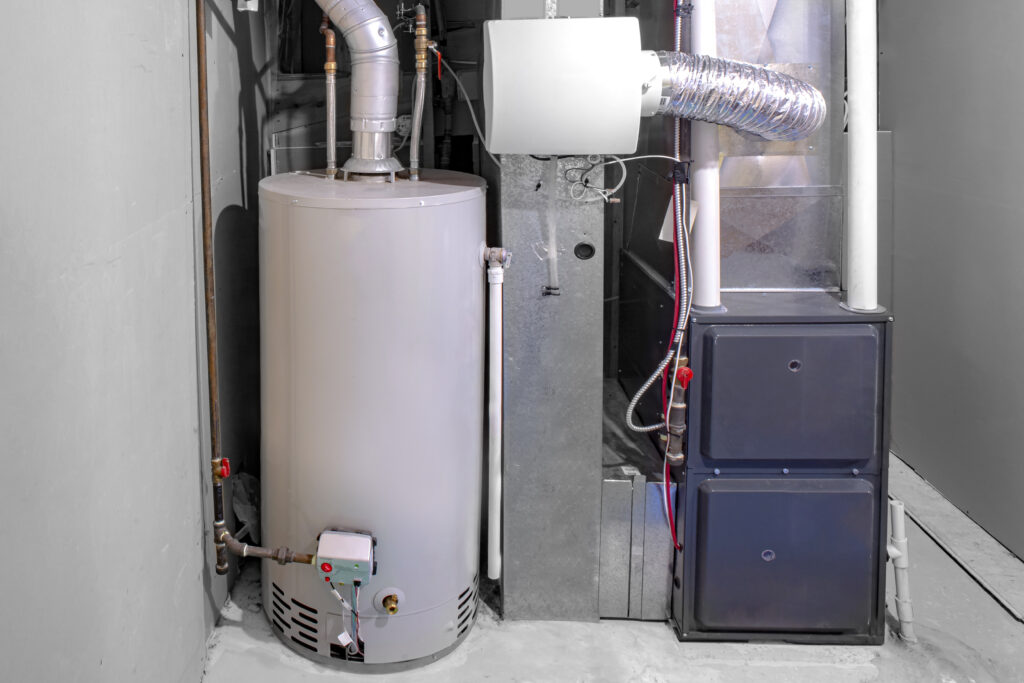
That step matters more than many people realize. A tankless water heater may look compact on the wall, but it can demand a lot of fuel when it turns on. That demand is very different from what many older tank-style water heaters require. A home may have a gas water heater already, but that does not automatically mean the current gas line can support a tankless unit.
In Schererville and the surrounding areas, many homes have a mix of older gas piping, remodeled spaces, and added appliances that changed the total gas demand over time. A tankless installation needs to account for the whole system, not just the new appliance. Without proper gas supply planning, a new tankless water heater may struggle to perform the way homeowners expect. Hot water may feel inconsistent, error codes may appear, or other gas appliances may compete for supply.
Good planning helps avoid those problems before installation begins.
Tankless Water Heaters Need Strong Fuel Delivery
A traditional tank water heater stores heated water and cycles on and off to maintain the temperature. A gas tankless water heater works differently. It fires up when hot water demand starts and heats water as it flows through the unit. That means it often needs a stronger burst of fuel in the moment.
This is one reason gas supply planning matters so much. The heater may be small in size, but its fuel demand during operation can be much higher than that of the older unit it replaces.
Homeowners sometimes assume a tankless system uses less gas just because it is more efficient. Efficiency and fuel demand are not the same thing. A tankless unit may use fuel more effectively, but it still needs enough gas delivered at the right time to do its job.
Replacing a Tank Unit Does Not Mean the Gas Line Is Ready
One of the most common misunderstandings is this: “I already have a gas water heater, so the gas line should be fine.”
That is not always true.
An older tank unit may have worked for years on a gas line that was sized for lower demand. A new tankless unit may need more fuel volume than that same line can provide. If the gas piping is too small, too long, or already feeds several appliances, the new system may not receive what it needs during peak demand.
This is especially important in homes where gas also serves:
- Furnaces
- Ranges or cooktops
- Fireplaces
- Dryers
- Pool heaters
- Generators
A tankless water heater becomes part of that bigger fuel picture. The whole gas system must be evaluated together.
Gas Supply Problems Often Show Up as Performance Issues
When gas supply falls short, the problem does not always look like a gas line issue at first. Homeowners may notice symptoms that seem confusing or inconsistent.
Common signs of poor gas supply planning include:
- Hot water that turns lukewarm during heavy use
- Tankless units that shut down unexpectedly
- Error codes that appear without an obvious cause
- Delayed heating response
- Trouble maintaining output in multiple fixtures
- Performance issues when another gas appliance runs
These symptoms can lead people to blame the tankless unit itself. In many cases, the real issue starts upstream with fuel delivery.
A tankless water heater can only perform as well as the gas supply behind it.
Pipe Size Matters More Than Most Homeowners Think
Gas piping needs the right size for the load it serves. A line that is too small can limit how much fuel reaches the appliance, especially when several appliances run at once.
This is not just about the heater’s input rating. Pipe length matters too. A longer gas line may need a different size than a short one because pressure loss increases with distance. Fittings, branches, and total appliance load all affect the final calculation.
That is why tankless installation should never rely on a quick visual guess. A proper evaluation looks at:
- Total gas demand in the home
- Size of existing gas piping
- Length of the run to the water heater
- Number of appliances using the same system
- Expected overlap in household use
Without that planning, performance problems become much more likely.
Household Demand Patterns Affect the Gas Plan
Gas supply planning should match how the home actually works. A small household with staggered routines may create different demands than a larger family with overlapping showers, laundry, and cooking.
The same applies to gas appliance use. A home where the furnace, dryer, and range often run at the same time as hot water demand places more stress on the system than a home with more spread-out usage.
This is why gas planning should reflect real life, not just equipment lists. The question is not only “What appliances do you have?” The better question is “What runs at the same time?”
That answer often changes the gas supply strategy.
Colder Weather Can Raise the Importance of Proper Planning
Seasonal conditions can make gas supply planning even more important. During colder months in Schererville and nearby areas, homes often demand more from gas systems because the furnace runs longer and more often.
At the same time, incoming water temperatures may be colder. That means the tankless water heater has to work harder to raise water to the desired temperature. More heating effort may increase the importance of steady fuel delivery.
This seasonal overlap can expose gas supply weaknesses that did not seem obvious during mild weather. A system that feels fine in one season may struggle in another if the fuel plan was marginal from the start.
Other Appliances Can Be Affected Too
Gas supply planning protects more than the tankless unit. It also helps the rest of the home’s gas appliances work the way they should.
If the gas system becomes overloaded, the effects may show up elsewhere. A furnace may compete for supply. A dryer may not perform consistently. Cooking appliances may feel slower under certain conditions.
This is another reason the installation should be treated as a whole-house fuel planning issue, not just a one-appliance swap. Good planning supports a better balance across the property.
Venting and Location Still Matter, but Fuel Comes First
Tankless projects often focus on wall space, vent routing, and placement. Those details matter a lot, but gas supply deserves equal attention. A perfect mounting location does not solve a weak fuel delivery setup.
A homeowner may choose the right brand and the right size unit, but the installation still falls short if the gas line cannot support it. That leads to frustration because the system looks correct from the outside.
Strong performance starts with the invisible parts of the project. Gas supply is one of the biggest.
Remodeling and Home Changes Can Shift the Gas Load
Many homes change over time. A remodel may add a gas range. A basement finish may increase hot water demand. A furnace replacement may change overall system needs. A new dryer or fireplace may get added years after the original gas lines were installed.
These changes matter because they can reduce the available capacity for a new tankless water heater. A home that could have supported one year ago may need gas line upgrades now because the total demand has grown.
This is why current conditions matter more than old assumptions. A proper installation looks at the home as it exists today.
Tankless Performance Depends on More Than the Unit Itself
People often judge tankless systems by stories they hear from neighbors or online. One home loves the switch. Another feels disappointed. In many cases, the difference comes down to planning.
A tankless water heater installed with proper gas supply, correct sizing, and the right setup often delivers excellent results. A unit installed without enough fuel support may struggle from the start.
That does not mean tankless technology is unreliable. It means the planning around it matters just as much as the equipment choice.
Professional Evaluation Helps Prevent Costly Mistakes
A qualified plumber can review the full picture before installation begins. That includes the existing gas piping, appliance load, household hot water demand, location, and expected performance goals.
This kind of planning helps answer important questions early:
- Can the current gas line support the new unit?
- Does the line need resizing or rerouting?
- How does the home’s total gas demand affect the project?
- Will peak use patterns create conflicts?
- Does the selected unit match the house and the gas system?
Clear answers before installation help avoid frustrating performance issues later.
The Best Tankless Installations Start With the Right Foundation
A tankless water heater can be a smart upgrade, but it needs the right support behind it. Gas supply planning gives the system that foundation. It helps protect performance, reduces the chance of shutdowns, and supports reliable hot water under real household conditions.
A good installation is not just about putting a unit on the wall. It is about making sure the home can feed it properly every time hot water demand begins.
Frequently Asked Questions
Why does a tankless water heater need more gas planning than a tank unit?
A gas tankless water heater often needs a stronger fuel supply during operation than many older tank-style units.
Can I use the same gas line from my old water heater?
Sometimes, but not always. The existing line may be too small or already serving too many appliances.
What happens if the gas line is undersized?
The tankless unit may struggle to maintain performance, show error codes, or shut down during higher demand.
Does the furnace affect tankless water heater gas planning?
Yes. Any gas appliance in the home affects the total fuel load, especially during overlapping use.
Should gas supply be checked before choosing the tankless unit?
Yes. Proper planning should happen before installation so the system matches both the home and the gas supply.
Reichelt Plumbing helps homeowners in Schererville plan tankless water heater installations with the gas supply in mind. Call (219) 322-4906 today.