


Water, Sewer, Slab, and Gas Leak Detection Services in Schererville, IN and the Surrounding Areas
Reichelt Plumbing provides professional leak detection services for water lines, sewer lines, gas lines, and slab leaks throughout Schererville, IN and all of Northwest Indiana and South Cook County, Illinois. Fully licensed, bonded, and insured, our team is BBB Accredited A+ and has served the Northwest Indiana region since 1986. Hidden leaks cause the most damage precisely because they go undetected: water silently saturates framing, foundations, and soil for months before visible symptoms appear. Reichelt Plumbing uses HD video camera inspection, electronic acoustic leak detection, smoke testing, and slab leak locating equipment to find the exact source of any leak before recommending excavation, concrete work, or wall opening. Call (219) 322-4906 for leak detection in Schererville and the surrounding area.
What Our Customers Say
“I needed the sewer rodded in my front yard because it was backed up. Within an hour, Sam showed up. He was professional, explained everything very well and did an awesome job. We had this problem in the past and Sam was basically cleaning up what they left behind. This was the first time we were not left with an uneasy feeling about whether the job was really done right or not. We will definitely be using them for future plumbing services.” (Rocio C.)
Verified on Google Reviews, HomeAdvisor, Facebook Reviews, and the Better Business Bureau.
He was professional, explained everything very well and did an awesome job.


Why Detecting the Exact Leak Location Matters Before Any Repair Begins
According to the U.S. EPA WaterSense Fix a Leak program, household leaks in the United States waste more than one trillion gallons of water annually. The average home leaks approximately 10,000 gallons per year. In Northwest Indiana, where aging housing stock includes homes built during the postwar era with original galvanized steel, cast iron, and early copper supply lines, hidden leaks are a common and often underestimated problem. The flat, clay-heavy terrain of Lake County also means that underground leaks do not drain away quickly: they saturate soil adjacent to foundations and in slab areas, accelerating structural impact.
The critical step before any leak repair is locating the source precisely. An inaccurate diagnosis leads to unnecessary concrete removal, wall openings in the wrong location, and repair costs that grow when the actual leak is found somewhere else. Reichelt Plumbing uses targeted detection methods, applied in the right sequence for each type of suspected leak, to confirm the source before recommending any invasive repair scope.
Leak Detection Services We Provide in Northwest Indiana
Water Leak Detection
Water leaks inside the home can originate at supply connections to fixtures and appliances, at angle stop shut-off valves, at fitting joints throughout the water distribution system, at water heater connections, and at the main supply line entering the building. Reichelt Plumbing evaluates visible plumbing connections and uses pressure observation and acoustic methods to identify leak points within walls, beneath floors, and at concealed connections. Early identification of an indoor water leak prevents the wood rot, mold growth, and structural damage that develop when leaks go undetected in enclosed spaces.
Slab Leak Detection
Slab leaks occur in water supply or drain pipes that run beneath or within a concrete foundation. In Northwest Indiana homes with slab construction, pipes buried beneath the slab face decades of thermal expansion and contraction from Northwest Indiana’s freeze-thaw cycles, soil pressure, and natural corrosion. Signs of a slab leak include warm spots on tile or concrete floors, the persistent sound of running water beneath the floor, unexplained water bill increases, and moisture or cracks at the base of interior walls. Reichelt Plumbing uses acoustic slab leak detection equipment to identify the precise location of the breach before any concrete is touched.
Underground Water Line Leak Detection
Buried water service lines connecting the municipal main to the house are vulnerable to freeze-thaw damage, tree root pressure, galvanic corrosion, and soil movement. An underground leak may not produce a wet spot in the yard for weeks or months depending on soil conditions, but the water meter will show movement and the water bill will reflect the loss. Reichelt Plumbing uses electronic acoustic detection to listen for the sound of pressurized water escaping the pipe through the surrounding soil, locating the breach within a narrow zone to allow targeted excavation rather than digging the full line length.
Sewer Line Leak Detection
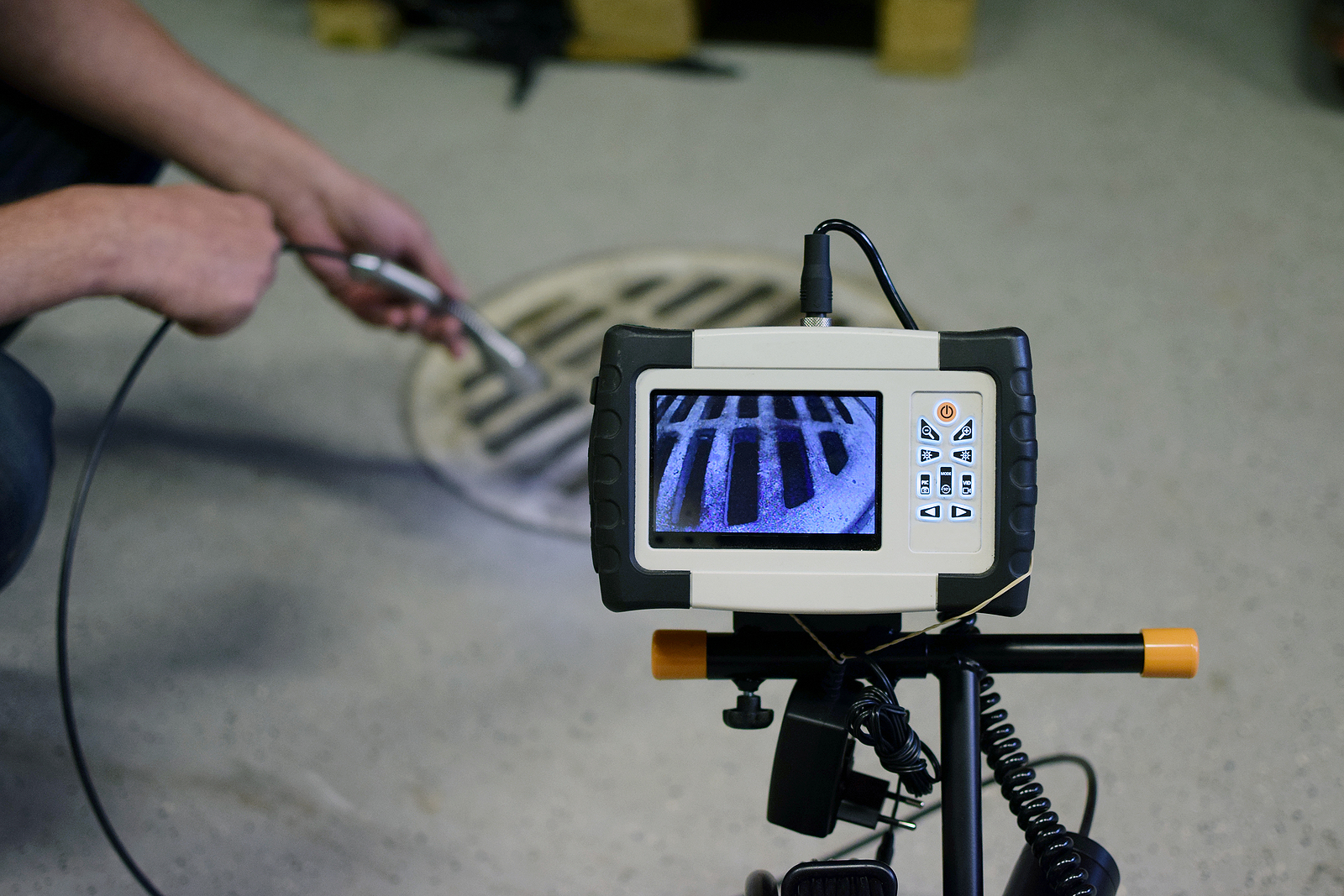
Sewer line leaks allow wastewater to escape into surrounding soil and allow sewer gases to migrate toward occupied spaces. Our video camera inspection service inserts a waterproof HD camera through an existing cleanout to transmit live footage of the sewer line interior, revealing cracks, root intrusion, offset joints, and pipe wall damage. Smoke testing complements the camera by revealing gaps and breaches that are not directly visible on camera footage. Combined, these two methods provide the most complete picture of sewer line condition available without excavation.
Gas Line Leak Detection
Natural gas leaks produce a distinctive sulfur or rotten egg odor because gas utilities including NiSource NIPSCO, the primary gas utility serving Northwest Indiana, add mercaptan odorant to natural gas specifically to make leaks detectable. If a gas odor is present, the correct first response is to exit the building immediately, avoid any electrical devices, call 911 from outside, and contact the gas utility. Reichelt Plumbing evaluates and repairs gas line deficiencies after the utility has confirmed safe conditions and the gas has been shut off. Never attempt to locate or repair a gas leak without proper equipment and training.
Warning Signs That You May Have a Hidden Leak
- A water bill that has increased without any change in household usage or number of occupants
- The sound of water running or dripping when every fixture in the home is off
- Damp, discolored, or bubbling drywall, paint, or ceiling material without an obvious external cause
- A hot or warm spot on a concrete or tile floor, often indicating a hot water slab leak
- Soft, wet, or unusually green areas in the yard above the water line or sewer lateral route
- Mold or mildew odors in areas without visible moisture, particularly inside cabinets or near plumbing walls
- A water meter that shows movement when every fixture and appliance in the home is confirmed off
- Reduced water pressure throughout the home when no changes have been made to supply or fixtures
Why Professional Detection Outperforms Guesswork
Opening a wall or cutting concrete at the wrong location solves nothing and adds repair costs. Electronic acoustic detection, video camera inspection, and smoke testing find the source precisely. Reichelt Plumbing applies the method matched to the leak type and confirms the finding before recommending any invasive next step. Our approach eliminates unnecessary property disruption and reduces total repair cost by resolving the root cause on the first attempt.
Our Leak Detection Process in Northwest Indiana
- Initial evaluation. We review the symptoms, check the water meter, and perform a visual inspection of accessible plumbing to determine the most likely leak type and location.
- Method selection. Based on the symptoms, we deploy the appropriate detection method: video camera inspection for sewer concerns, acoustic detection for underground or slab water line issues, smoke testing for sewer gas migration, or pressure testing for gas line evaluation.
- Precise location confirmation. We identify the leak source to within a narrow zone, document findings, and mark the location above grade when applicable.
- Findings review. Our technician reviews the detected leak location and condition with the property owner before any repair is recommended.
- Repair or referral. Reichelt Plumbing provides repair options appropriate to the leak type and confirmed scope. Repair work is performed to current Indiana plumbing code requirements per the Indiana Professional Licensing Agency.
- Verification. After repair, we verify that the leak source has been resolved and the system is performing correctly.
Local Context: Leak Conditions in Schererville and Northwest Indiana
Northwest Indiana’s housing stock creates specific leak vulnerability patterns. Homes built from the 1940s through the 1970s, which represent a significant share of properties in Schererville, Hammond, Highland, Munster, and surrounding communities, contain original copper, galvanized steel, and cast iron plumbing systems approaching or well past their reliable service lives. Lake County’s heavy glacial clay soils shift with seasonal moisture changes, placing stress on buried pipe joints. Freeze-thaw cycles that occur multiple times each Northwest Indiana winter cause repeated thermal expansion and contraction in both above-grade and below-grade pipe systems. These local conditions make proactive leak detection one of the highest-value maintenance investments available to Northwest Indiana homeowners.
Why Choose Reichelt Plumbing for Leak Detection in Northwest Indiana
| Why Choose Reichelt Plumbing for Leak Detection in Northwest Indiana | |
| 38+ Years Serving NW Indiana | 38 years of hands-on plumbing, sewer, and leak detection experience throughout Northwest Indiana since 1986 |
| Licensed and Insured | Fully licensed, bonded, and insured for every leak detection and repair scope in Indiana and Illinois |
| BBB Accredited A+ | A+ rating with the Better Business Bureau, verified since 1986 |
| State-of-the-Art Equipment | HD video camera inspection, electronic acoustic detection, smoke testing, and slab leak locating equipment |
| Non-Invasive Detection First | We locate the leak precisely before recommending any excavation, concrete work, or wall opening |
| Water, Sewer, and Gas Coverage | Leak detection for water lines, sewer lines, gas lines, slabs, underground laterals, and interior pipe systems |
| 18-Month Guarantee | 18-month workmanship guarantee on qualifying repair work that follows a leak detection service |
| Flat-Rate Pricing | Upfront flat-rate pricing confirmed before any work begins, no hourly billing surprises |
| 24/7 Emergency Response | 24/7 availability for active leaks and gas odor situations throughout Northwest Indiana |
| Verified Reviews | Google ★★★★★ · HomeAdvisor Rated · BBB Accredited · Facebook Reviews |
Areas We Serve for Leak Detection
Reichelt Plumbing provides water, sewer, slab, and gas leak detection throughout Schererville, IN and the surrounding Northwest Indiana and South Cook County communities: Hammond, IN, Highland, IN, Lowell, IN, Lansing, IL, Chicago Heights, IL, Munster, Griffith, Dyer, Saint John, Crown Point, Hobart, Merrillville, Cedar Lake, Portage, Valparaiso, Calumet City, IL, Homewood, IL, South Holland, IL, and surrounding communities in Lake County, IN and South Cook County, IL.
Related services: Sewer Line Camera Inspection | Emergency Plumbing | Sewer Line Services | Drain Cleaning
FAQs About Leak Detection in Northwest Indiana
What is professional leak detection and why does it matter?
Professional leak detection uses specialized equipment to locate the exact source of a water, sewer, or gas leak without relying on guesswork or excessive demolition. The difference between professional detection and guesswork is significant: targeted detection means a plumber opens the wall, trench, or concrete only where the leak is actually confirmed to be. Without it, a homeowner or contractor must make assumptions that frequently result in unnecessary property damage, repeat service calls, and repair costs that exceed what the original problem required.
What are the most common signs of a hidden water leak in a home?
The most common signs of a hidden water leak include an unexplained increase in the monthly water bill, the sound of running water when no fixtures are in use, damp or discolored spots on walls, ceilings, or floors, soft or buckled flooring near plumbing connections, mold or mildew odors in areas without obvious moisture sources, and a water meter that continues to move when every fixture in the home is turned off. Any of these signs warrants a professional evaluation before the damage progresses.
What types of leaks does Reichelt Plumbing detect in Northwest Indiana?
Reichelt Plumbing detects water line leaks inside the home, underground water line leaks in the yard or beneath paved surfaces, slab leaks beneath concrete foundations, sewer line leaks confirmed through video camera inspection and smoke testing, gas line leak indicators through pressure testing and odor investigation, and fixture leaks from toilets, faucets, water heaters, and supply connections. Each leak type requires different detection equipment and a different repair approach.
What is a slab leak and how do I know if I have one?
A slab leak is a water pipe leak that occurs underneath the concrete foundation of a home or building. Signs include warm spots on a concrete or tile floor, the sound of water running beneath the floor when no fixtures are in use, unexplained moisture along the base of walls, a water bill that increases without a change in usage, and a sump pump that activates more frequently than normal. Slab leaks in Northwest Indiana can be caused by the freeze-thaw pressure on buried copper lines, pipe age and corrosion, soil movement, and minor seismic activity.
What equipment does Reichelt Plumbing use to find hidden leaks?
Reichelt Plumbing uses high-definition waterproof video cameras for sewer line inspection, electronic acoustic listening equipment that detects the sound of water escaping a pressurized pipe through surrounding material, smoke testing equipment that pushes non-toxic smoke through sewer lines to reveal cracks and gaps, slab leak locating equipment that combines acoustic and pressure-based methods, and pressure testing tools for both water and gas line evaluation. The correct equipment depends on the type and location of the suspected leak.
How does video camera inspection help locate sewer leaks?
A waterproof high-definition camera on a flexible cable is inserted through an existing cleanout or drain opening and transmits live footage of the pipe interior above ground. Cracks, offset joints, root intrusion points, and collapsed sections are visible on camera exactly where they occur. A locating device simultaneously measures the depth and horizontal distance to each finding. This combination allows Reichelt Plumbing to mark the precise location above ground before any excavation is recommended, making our video inspection service one of the most reliable tools in sewer leak diagnosis.
What causes pinhole leaks in copper pipes in older Northwest Indiana homes?
Pinhole leaks in copper pipe are primarily caused by pitting corrosion, a process accelerated by specific water chemistry conditions including high mineral content, elevated chlorine levels, low pH, or elevated flow velocity through undersized pipe. In Northwest Indiana, homes built between the 1940s and 1980s with original copper water supply lines are commonly affected. Pinhole leaks often develop at multiple points along the same pipe run, which means repairing one pinhole leak may reveal others within weeks. When pinhole leaks begin to occur in clusters, repiping is often the most cost-effective long-term solution.
How much water can household leaks waste each year?
According to the U.S. EPA WaterSense program, household leaks in the United States waste more than one trillion gallons of water per year. The average home leaks approximately 10,000 gallons annually. A single toilet with a worn flapper drips continuously and wastes up to 200 gallons per day. A faucet dripping at one drop per second wastes more than 3,000 gallons per year. Finding and fixing leaks promptly is one of the most effective ways to reduce both water waste and monthly utility costs.
Can a hidden water leak cause structural damage to my home?
Yes. A water leak that goes undetected for weeks or months can saturate wall framing and cause wood rot, compromise concrete and mortar in foundation areas, create conditions favorable for mold and mildew growth inside walls and floors, erode soil beneath and around the foundation contributing to settling or cracking, and damage insulation, drywall, flooring, and cabinetry. Early leak detection prevents the damage from progressing to the point where water remediation, structural repair, or mold abatement becomes necessary alongside the plumbing repair.
How do I know if a water line is leaking underground in my yard?
Signs of an underground water line leak in the yard include wet or soggy patches in the lawn that do not dry out even during dry weather, an area of unusually green and lush grass directly above the water line route, a water bill that increased without a change in household usage, reduced water pressure throughout the house, the sound of water flowing in the yard when no irrigation is running, or a water meter that shows movement when all indoor fixtures are shut off. Reichelt Plumbing uses acoustic detection to pinpoint underground leaks without excavating the full yard.
What is the difference between a water leak, a slab leak, and a sewer leak?
A water leak is any loss of water from a pressurized supply pipe, inside the home, underground, or under a slab. A slab leak is a specific type of water leak that occurs in a pipe running beneath or within a concrete foundation. A sewer leak is a break or crack in a gravity-flow drain or sewer pipe that allows wastewater or sewer gas to escape into the surrounding soil or structure. Water leaks present as moisture, water bills, and pressure loss. Sewer leaks present as odors, slow drains, and wet or unusually fertile soil above the pipe. Gas leaks present as sulfur odors, hissing sounds, or dead vegetation above a buried gas line.
What are the warning signs of a gas leak in my home?
Warning signs of a natural gas leak include the distinct sulfur or rotten egg odor added to natural gas specifically to make leaks detectable, a hissing sound near gas lines or appliances, dead or dying vegetation in a specific area of the yard above a buried gas line, bubbles in standing water near the gas service area, and an unexplained increase in gas usage on utility bills. If you detect a strong gas smell, leave the building immediately without using any electrical switches or devices, call 911 from outside or from a neighbor’s phone, and contact your gas utility. Do not return until the building has been cleared. Reichelt Plumbing provides gas line evaluation and repair after the gas utility has confirmed safe conditions.
What should I do if I smell gas in my home or building?
Leave immediately without turning any electrical switches on or off, without using a cell phone inside the building, and without lighting any flame. Leave the door open as you exit to allow ventilation. Once outside and away from the building, call 911 and your gas utility. In Northwest Indiana, NiSource NIPSCO is the gas utility. Per NIPSCO gas safety guidance, do not attempt to locate or repair a gas leak yourself. Once emergency responders have cleared the building and the gas is shut off, call Reichelt Plumbing at (219) 322-4906 to evaluate and repair the affected gas line.
What causes sewer line leaks underground?
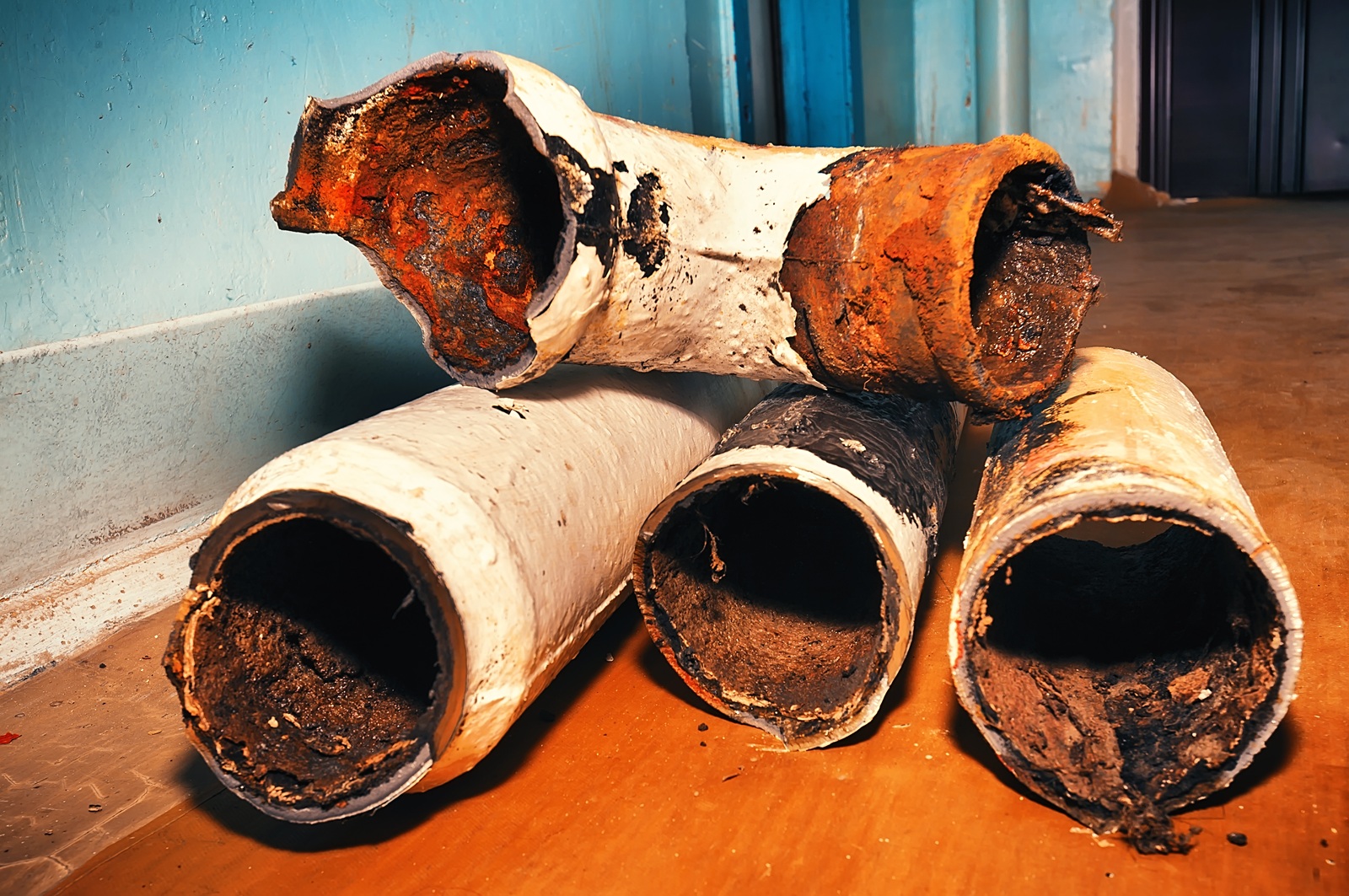
Underground sewer line leaks are caused by root intrusion through clay tile or cast iron pipe joints that eventually cracks the pipe from root pressure, natural aging and corrosion of cast iron and clay materials over 50 to 80 years in service, soil movement from freeze-thaw cycles that shift pipe joints out of alignment, bellied or sagging pipe sections where flow stalls and corrodes the pipe bottom, and joint separations in older clay tile lines where the sealing compound has degraded over decades.
How does smoke testing identify sewer leaks?
Smoke testing involves pushing non-toxic, non-staining white smoke into a sewer system through a cleanout or manhole access point while temporarily blocking the downstream end of the line. The smoke travels through the system and escapes through any crack, opening, or unsealed connection in the pipe. Technicians watch from outside for smoke emerging from the ground, from walls, from floor drains, or from other locations where the pipe is compromised. Smoke testing complements video camera inspection by revealing issues that the camera may not fully show due to angle or position.
Why is my water bill higher than normal?
A water bill that increases without a corresponding change in household usage almost always indicates a leak somewhere in the system. Common sources include a continuously running toilet with a worn flapper or fill valve, a dripping faucet, an outdoor hose bib that does not fully close, an underground water line leak, a slab leak, or a failed water heater pressure relief valve that is intermittently releasing water. Reichelt Plumbing can perform a systematic evaluation to identify the leak source and confirm repairs restore normal usage.
What causes water leaks behind walls in older Northwest Indiana homes?
Water leaks inside walls in older Northwest Indiana homes are most commonly caused by pinhole leaks in aging copper pipe, cracked or loose connections at plumbing fittings, deteriorated supply hose connections to washing machines, refrigerators, and dishwashers, failed wax rings or wax-free seals under toilets, and corroded or cracked angle stop shut-off valves behind fixtures. Freeze events during Northwest Indiana winters can also crack pipes inside exterior walls where insulation is inadequate.
How long does professional leak detection take?
Most residential leak detection visits take between one and three hours, depending on the type and complexity of the suspected leak. A video camera sewer inspection typically takes 45 to 90 minutes. An acoustic underground water line detection visit may take one to two hours. A whole-house evaluation covering multiple potential leak sources may take two to three hours. Slab leak location specifically can be more involved depending on the size of the slab and the number of pipe runs beneath it. Reichelt Plumbing provides a realistic time estimate before beginning based on the reported symptoms.
Can slab leaks be repaired without breaking up all the concrete?
In most cases, yes. Modern slab leak repair approaches include direct access repair, where a single small opening is cut in the concrete directly above the confirmed leak location to access and repair or reroute the specific pipe section; pipe rerouting or abandoning the leaking section and installing a new line through the wall or ceiling rather than beneath the slab; and trenchless pipe lining for certain configurations. The appropriate method depends on the location of the leak, the age and condition of the surrounding plumbing, and the layout of the structure. Reichelt Plumbing discusses all options after the leak is precisely located.
What causes underground water line leaks in Northwest Indiana?
Underground water line leaks in Northwest Indiana are commonly caused by freeze-thaw expansion and contraction cycles that stress buried pipe joints over decades, aging galvanized steel or cast iron lines that corrode from the inside and develop pinholes or cracks, tree root intrusion that fractures plastic or metal pipe where the root system intersects the line, shifting clay soils common to Lake County that place lateral stress on buried connections, and original pipe materials reaching the end of their reliable service life after 50 or more years.
Why do freeze-thaw cycles in Northwest Indiana cause pipe leaks?
Northwest Indiana experiences significant temperature variation between winter and early spring, with ground temperatures cycling below freezing multiple times each season. Water expands when it freezes. In inadequately insulated exterior walls, unheated crawl spaces, or shallow underground lines, this freeze-and-thaw cycle places repeated stress on pipe walls, fittings, and joint connections. Over years and decades, this repeated stress can crack pipe walls, loosen joint connections, and eventually produce leaks at the stressed points.
Can tree roots damage a water line and cause a leak?
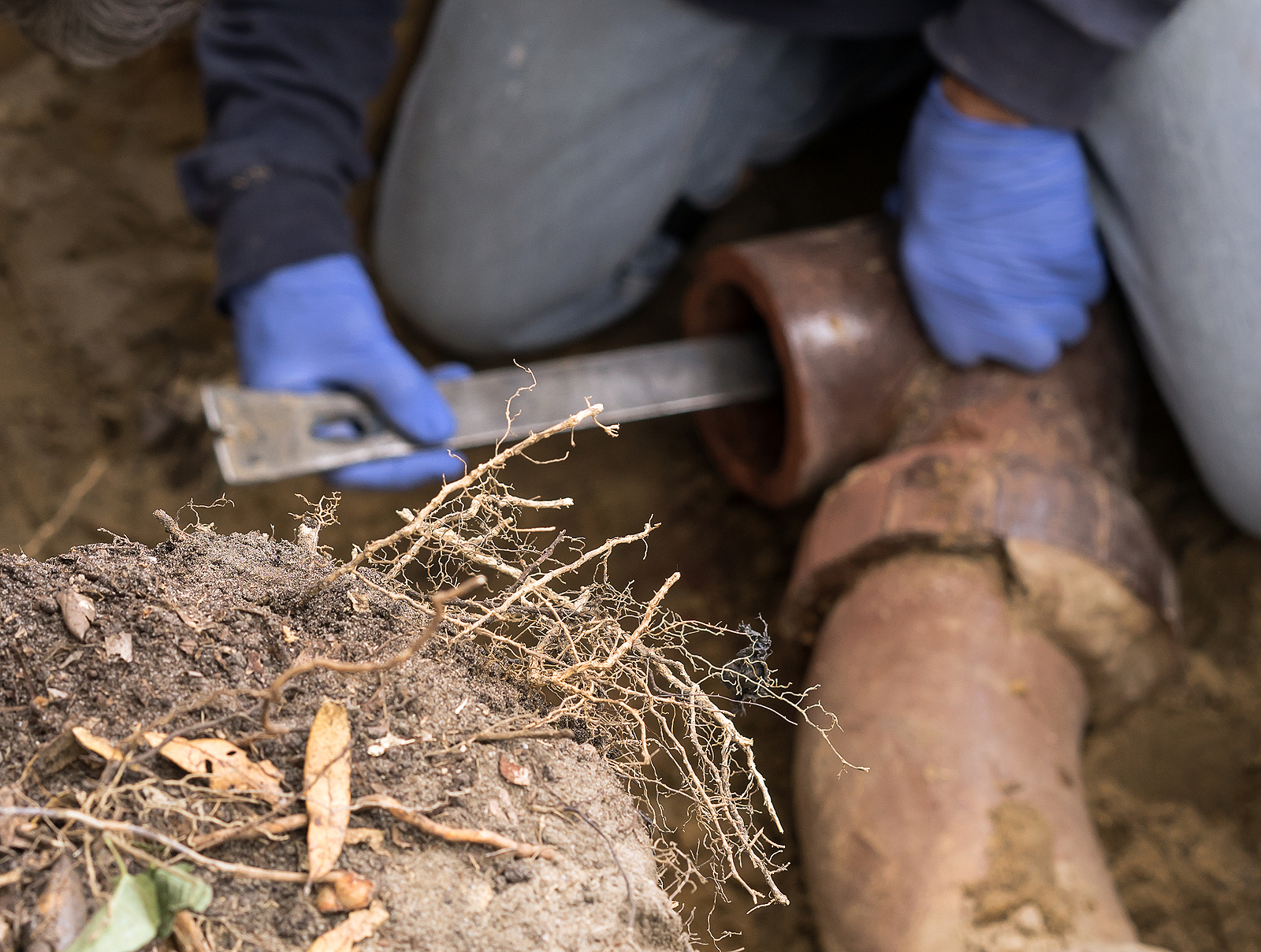
Yes. Tree roots grow toward moisture sources and can penetrate cracks in older water supply lines, particularly those made of clay or older plastic materials. Roots that enter a water supply line more commonly apply external mechanical pressure to the pipe wall as the root thickens over years, eventually cracking or deforming the pipe. This is more common with older pipe materials and in locations where large tree root systems extend over water line routes. Acoustic leak detection can confirm whether an underground water supply leak exists and approximately where.
What is acoustic or electronic leak detection and how does it work?
Electronic acoustic leak detection equipment uses highly sensitive microphones and amplification technology to detect the specific sound signature created when water escapes a pressurized pipe under pressure. As water forces through a crack or hole, it generates vibration and sound that travels through the surrounding soil, concrete, or pipe material. By placing sensors at multiple points along the pipe route and comparing the signal strength at each location, a trained technician can triangulate the position of the leak to within a few feet, allowing targeted excavation rather than exploratory digging.
Can a leak behind a wall cause mold growth?
Yes. A water leak inside a wall cavity creates exactly the conditions mold requires: organic material such as wood framing and drywall, moisture, and darkness. Mold colonies can begin establishing within 24 to 48 hours of water contact with wall materials and can spread through wall cavities over weeks. Mold remediation after a discovered wall leak is a common and often significant additional cost. Early leak detection and prompt repair eliminates the moisture source before mold establishes, making fast action significantly less expensive than delayed response.
Is leak detection or repair covered by homeowners insurance in Indiana?
Coverage depends on the specific policy, the cause of the leak, and the insurer’s definition of sudden versus gradual damage. Many homeowners insurance policies cover sudden and accidental water damage from a burst pipe but exclude damage from slow, gradual leaks that went undetected. Professional leak detection documentation, including a written service report confirming the cause, location, and extent of the leak, strengthens any insurance claim by providing verifiable evidence. Contact your insurer directly for your policy’s specific provisions before assuming coverage applies.
What happens during a leak detection appointment with Reichelt Plumbing?
Reichelt Plumbing begins with a conversation about the symptoms: where and when the homeowner noticed the warning signs, any water bill changes, and any recent plumbing work or events. The technician performs a visual inspection of accessible plumbing, checks the water meter for movement with all fixtures off, and then applies the appropriate detection method based on the suspected location. If sewer issues are suspected, a camera is deployed. If underground water line or slab issues are suspected, acoustic equipment is used. Findings are documented and reviewed with the homeowner before any repair scope is recommended.
What is hydrostatic testing and is it used in leak detection?
Hydrostatic testing fills a drain or waste system with water to a set pressure to confirm whether the line holds without loss. If the water level drops during the test period, there is a breach in the system. This method is used in new construction to verify drain systems before walls are closed and in leak investigations where a sewer line breach is suspected but not directly confirmed by camera. It complements camera inspection by confirming whether a crack visible on camera is actually passing water through the pipe wall.
Can corroded galvanized pipes contaminate drinking water?
Yes. Galvanized steel water supply pipes corrode from the inside over time, and the corrosion products, including zinc and iron compounds, enter the water stream. As galvanized pipes age past 40 to 60 years, which describes many pipes in Northwest Indiana homes built from the 1940s to 1970s, they can produce rust-colored or discolored water, a metallic taste, and reduced pressure from narrowing of the interior passage. Both the water quality and the flow reduction are signs that the pipe material has reached the end of its reliable life. Repiping resolves both issues permanently.
What areas does Reichelt Plumbing serve for leak detection?
Reichelt Plumbing provides leak detection for water, sewer, and gas systems throughout Schererville, IN and the surrounding Northwest Indiana and South Cook County communities including
How do I schedule leak detection service with Reichelt Plumbing in Northwest Indiana?
Call Reichelt Plumbing at (219) 322-4906 to schedule leak detection service in Schererville, Hammond, Highland, Munster, Griffith, Dyer, Saint John, Crown Point, Lowell, Lansing, Chicago Heights, and the surrounding Northwest Indiana and South Cook County area. Our technicians are available 24 hours a day for active leak emergencies. For non-emergency scheduling, call during business hours for the earliest available appointment time.
BBB Accredited A+ · Google Reviews · HomeAdvisor · Facebook Reviews